
What is a Construction Management Plan?
A Construction Management Plan (commonly referred to as a CMP) is a comprehensive document that outlines the proposed building works and details how the constructor will manage the project to minimise impact on local residents. These plans have become an essential requirement for most London councils and authorities in major cities across the UK.
Councils typically require a CMP to be submitted either during the planning application process for new developments or as a Planning Approval Condition that must be satisfied before work on-site can commence.
With London's continued development growth, CMPs have become increasingly vital. The requirement for a CMP now extends beyond large-scale projects to any construction that might affect the local neighbourhood—from simple basement extensions in existing residences to major urban regeneration schemes.
What Does a CMP Include?
A thorough Construction Management Plan provides, at minimum, an overview of the construction works and assesses potential impacts on surrounding areas. This encompasses:
- Public safety and site security measures
- Site operating hours
- Detailed construction methodology and programme
- Noise and vibration control protocols
- Management of air quality, dust, and site drainage
- Waste management and materials recycling strategies
- Traffic management plans, including site access routes (with swept path analysis)
- Site-specific considerations requiring detailed assessment
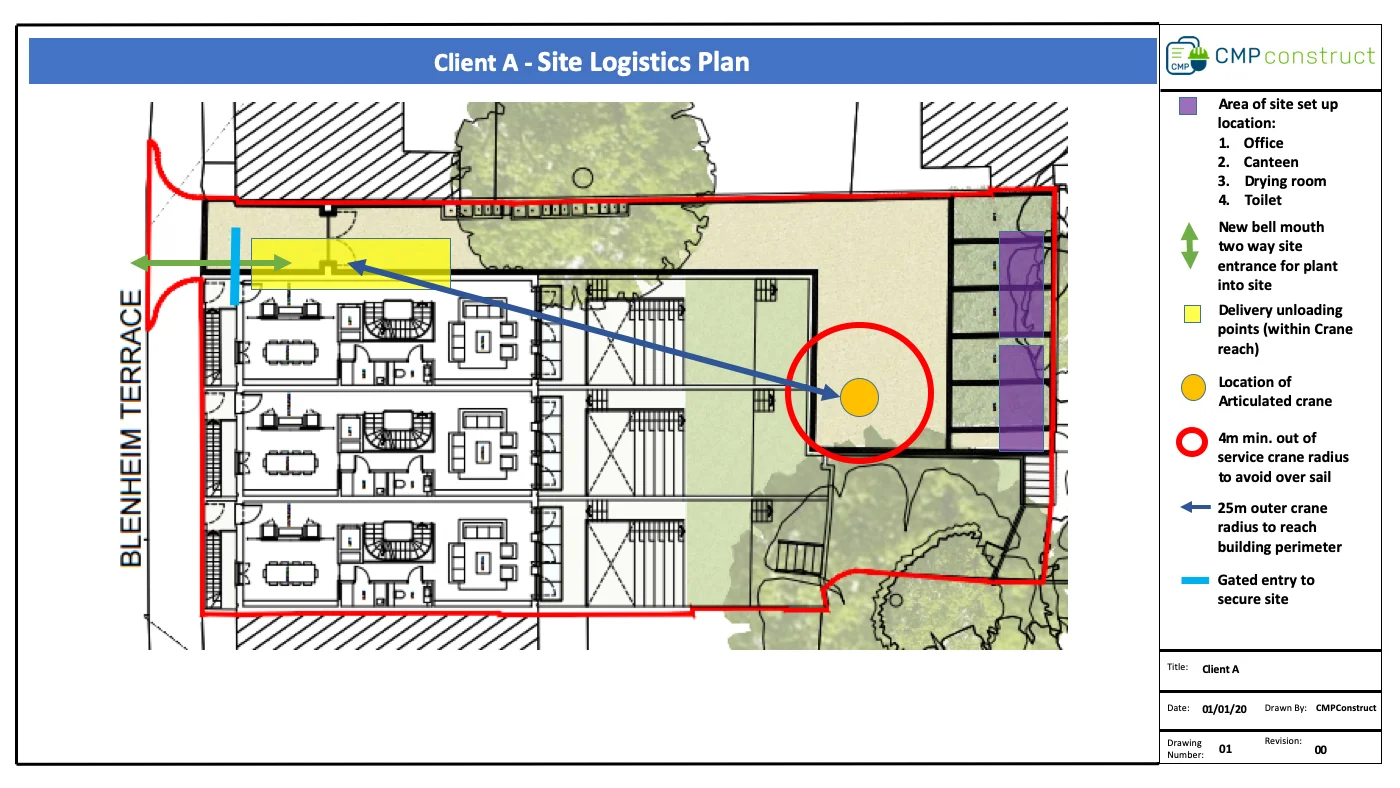
Beyond these standard elements, a CMP addresses all project variables required by local authorities, including specialised assessments such as noise surveys. A well-crafted CMP is not merely a compliance document—it's fundamental to the successful delivery of any construction project.
The CMPConstruct Approach to Management Plans
We believe the most effective plans are created with a thorough understanding of construction methodology. This requires visualising the future structure within its environment and developing a suitable approach that respects the site location.
Our experienced construction professionals bring practical understanding to each plan, selecting methodologies appropriate for both the project and its surroundings. This expertise ensures all aspects of the project are connected, helping to deliver work on time and within budget while minimising disruption.
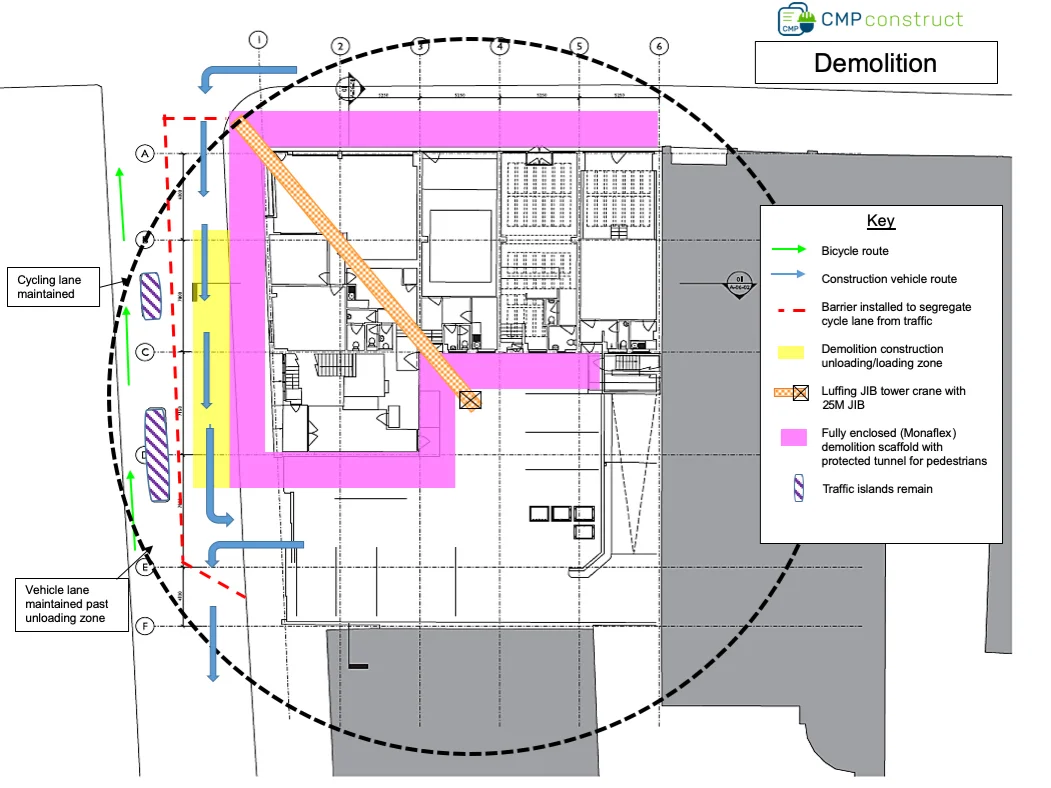
The complexity of a CMP is typically determined by the size and nature of the building project, particularly when demolition or basement construction is involved. Regardless of scope, we adapt all elements to suit each client's specific needs and requirements.
Our Development Process
Construction projects involve numerous variables. Creating a harmonious plan with clear objectives while meeting client requirements is an iterative process of refinement. We develop initial plans for each project and review them with our clients to ensure the final document complements the proposed delivery approach while minimising community impact.
Timelines and Next Steps
A common question we receive is: "How long does a Construction Management Plan take?" The timeline depends on the project's size and complexity. Most of our CMPs are completed within 7-10 working days from receiving project information to delivering the first draft for client review.
For more complex projects, our team works alongside your project team to fully understand requirements and provide an accurate timeline estimation.
If you would like to learn more about our services or need a quotation for developing a Construction Management Plan for your project, contact us today for a personalised proposal.
Frequently Asked Questions
What is a Construction Management Plan?
A Construction Management Plan (CMP) is a comprehensive document that outlines proposed building works and details how the constructor will manage the project to minimise impact on local residents. CMPs have become an essential requirement for most London councils and authorities in major cities across the UK. Councils typically require a CMP to be submitted during the planning application process or as a Planning Approval Condition that must be satisfied before work on-site can commence.
What does a Construction Management Plan include?
A thorough CMP provides an overview of construction works and assesses potential impacts on surrounding areas. This includes public safety and site security measures, site operating hours, detailed construction methodology and programme, noise and vibration control protocols, management of air quality, dust and site drainage, waste management and materials recycling strategies, traffic management plans including site access routes with swept path analysis, and any site-specific considerations requiring detailed assessment.
How long does a Construction Management Plan take?
Most straightforward CMPs are completed within 7-10 working days from receiving project information to delivering the first draft for client review. For more complex projects, the CMP Construct team works alongside your project team to fully understand requirements and provide an accurate timeline estimation. We assess the entire project scope and propose an appropriate solution and realistic timeframe.
What types of projects need a Construction Management Plan?
Construction Management Plans are now mandatory for virtually all construction projects across London and many other UK cities. The requirement extends beyond large-scale projects to any construction that might affect the local neighbourhood, from simple basement extensions in existing residences to major urban regeneration schemes. A properly prepared CMP is a critical document required by local authorities and serves as a pivotal component in the Planning Approval process.
What other services does CMP Construct offer besides CMPs?
In addition to Construction Management Plans, CMP Construct provides Construction Traffic Management Plans (CTMPs) compliant with borough council and TfL guidelines, and Construction Logistics Plans (CLPs) for projects affecting Transport for London infrastructure. We can also coordinate essential supporting elements such as swept path analysis, noise surveys, and other specialist assessments when needed.
